Off the Grid: How Gen Z Is Turning Rhythmic Imperfection Into a Musical Movement
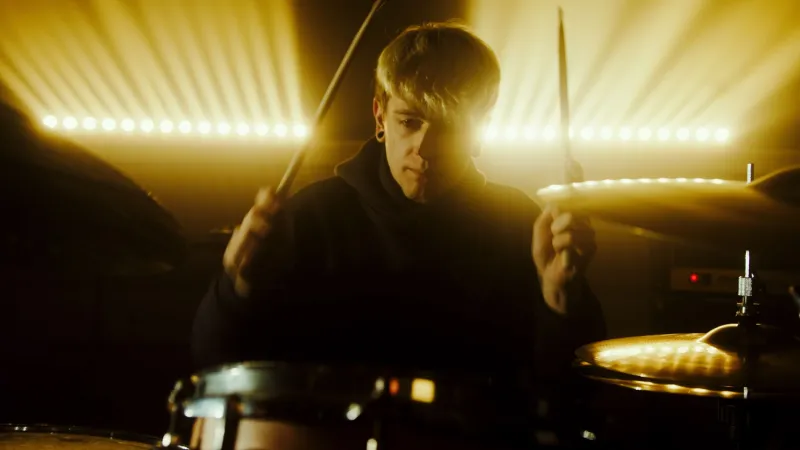
For decades, the metronome was basically music's hall monitor. Keep up, stay on the line, don't you dare drag. Studio engineers worshipped the click track. Drum machines promised a kind of inhuman perfection that producers chased like a finish line. But somewhere between the rise of lo-fi playlists and the resurgence of analog recording, a younger generation of musicians decided they were done with all that. They started playing behind the beat on purpose. They let notes breathe. They made space for the wobble.
And honestly? It sounds incredible.
The Click Track Isn't King Anymore
If you've spent any time in online music communities lately, you've probably noticed a shift in the conversation. Posts that used to celebrate tight, quantized productions are getting fewer likes than raw, unpolished session videos where the drummer leans back on the two and four like they've got nowhere to be. Gen Z musicians—raised on everything from Tyler, the Creator's lopsided hip-hop to Phoebe Bridgers' haunting acoustic sessions—have developed a serious appetite for what producers call "playing in the pocket."
The pocket, for the uninitiated, is that sweet spot where rhythm feels lived in rather than locked in. It's the difference between a song that makes you tap your foot and one that makes you sway your whole body without thinking about it. It's human. It breathes. And apparently, it's exactly what a generation raised on algorithmically perfect streaming content is now craving as an antidote.
"There's a real backlash happening against over-produced music," says Marcus Webb, an independent hip-hop producer based in Atlanta who works primarily with artists under 25. "My clients don't want everything quantized to the grid anymore. They'll actually ask me to remove corrections I've made. They want to hear themselves—the real version, not the cleaned-up one."
Coding for Feel: How Apps Are Catching Up
Here's where things get genuinely interesting for anyone who thinks music technology is just about precision tools. Platforms built around collaborative music-making and rhythm-based gameplay are starting to rethink how they measure success. For a long time, the assumption was simple: closer to the beat equals better score. But that model is quietly being questioned.
At Clapping Music, the design philosophy has always leaned into community performance and creative collaboration over competitive gatekeeping. That means the platform is uniquely positioned to explore what it actually means to reward groove rather than just accuracy. Think about it—when you're clapping along with a group, the magic isn't everyone hitting the exact same millisecond. It's the way the group breathes together, the way rhythms lock in organically, the slight variations that make a communal performance feel alive rather than robotic.
"We started asking ourselves: what does it mean to play well versus play right?" explains one rhythm game designer who's been consulting with music educators on how to build feel-based feedback into interactive apps. "Timing accuracy is easy to measure. Groove is harder. But harder doesn't mean impossible—it means interesting."
Some developers are experimenting with algorithms that track micro-timing variations—the tiny pushes and pulls that distinguish a jazz drummer from a drum machine—and use those patterns to evaluate whether a player is developing genuine rhythmic feel. It's a huge departure from simple hit-or-miss scoring, and it opens up collaborative platforms to a much wider range of musical expression.
Why Imperfection Feels So Good
There's actually solid music science behind why slightly imperfect timing hits different. Researchers have found that listeners respond more emotionally to performances with subtle micro-timing variations compared to mechanically perfect ones. The human brain, it turns out, is wired to find meaning in the slight unpredictability of live performance. When music is too perfect, something in us registers it as cold, even unsettling.
This is part of why vinyl records have made such a massive comeback, and why lo-fi beats became the soundtrack to an entire generation's study sessions. The crackle, the tape hiss, the drummer who breathes audibly into the mic—these aren't flaws to be corrected. They're signals that a real human being made this thing.
Gen Z, more than any previous generation, has grown up surrounded by digital perfection. Auto-tuned vocals, quantized beats, AI-generated content. Maybe it's not surprising that their instinct is to reach for something that feels undeniably, stubbornly human.
Playing Together Means Playing Loose
One of the most compelling arguments for embracing groove over precision comes from the collaborative music experience itself. When you're playing with other people—whether that's in a garage in Nashville or an online session through a platform like Clapping Music—rigid adherence to a click track can actually work against you. Real ensemble playing requires listening, adjusting, and responding. It's a conversation, not a monologue.
"The best sessions I've ever been part of had a little give in them," says Priya Nair, a multi-instrumentalist and music educator from Chicago who runs online rhythm workshops for teens. "When everyone's trying to be perfectly on the grid, nobody's actually listening to each other. But when you're playing for feel, you're constantly responding to what the other person is doing. That's where the magic lives."
This is exactly the kind of experience that collaborative platforms are in a position to cultivate. By shifting the emphasis from individual accuracy to collective groove, apps can create environments where musicians of all skill levels feel genuinely welcomed—where the goal isn't to prove you can nail the tempo, but to find the rhythm that makes everyone in the session feel it together.
The Rebellion Has a Point
Calling it a rebellion might sound dramatic, but the shift is real and it's spreading. You can hear it in the music Gen Z is making, in the producers they're hiring, in the way they talk about what they're going for in the studio. Less grid, more gut. Less perfect, more present.
For platforms built around communal music-making, this is less of a challenge and more of an invitation. Because if there's one thing that playing together has always taught us, it's that the moments that stick with you are never the ones where everything went exactly according to plan. They're the ones where something unexpected happened, where the groove got weird and then suddenly clicked in a way nobody saw coming.
That's the beat worth chasing. A little imperfect. Completely alive.